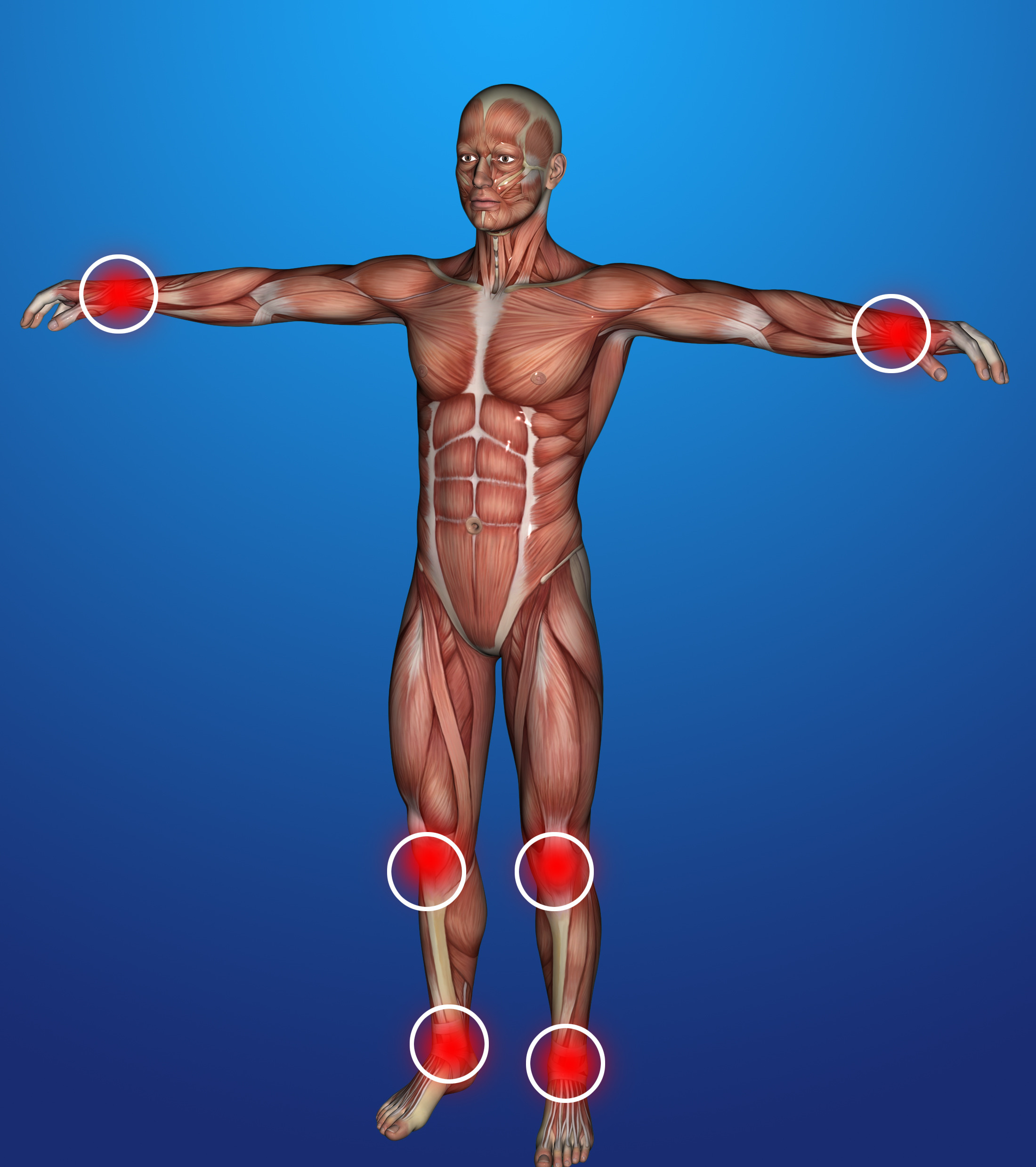
The definition of osteoporosis is related to bone density, not quality. A bone density test that shows low bone density does not mean they are losing bone now; maybe they never gained it. Assessment of vitamin D, vitamin K, calcium, manganese, and many micronutrient levels are all important. Of course other lifestyle factors that include exercise, diet, sleep, and stress are all important factors in the development of osteoporosis.
*Dr. Saputo recommends the Lifestyle, Dietary, and Supplement protocols listed below as considerations for treatment for Osteoporosis. All the information on this site is intended solely for educational purposes exclusively for your health care practitioner to consider with you. It is neither ethical nor appropriate for any health care practitioner to give medical advice to anyone who is not their patient.
Osteoporosis: NutritionalSupport Protocol
Lifestyle Recommendations:
1. CheckvitaminDblood levels and aimfor optimal 50-100ng/mL.
4. Weight bearing exerciseis crucial. Participate ina regular balanced exercise program that includes wearing a pedometer to ensurethat youcollect steps and movemore. High intensity short bursts (20-60 seconds) ofactivityduring the dayare recommended to enhance growthhormone release. Also engage in resistancetraining that works all major muscle groups (workeach group atleast 2times aweek).
4. Eat green leafyvegetables high inmagnesium suchas salad greens, collard and mustard greens.
Osteoporosis Overview
The definition, risk factors, causes, and treatment of osteoporosis and osteopenia are reviewed. The problems with bisphosphonates are reviewed and natural strategies for prevention and treatment discussed.